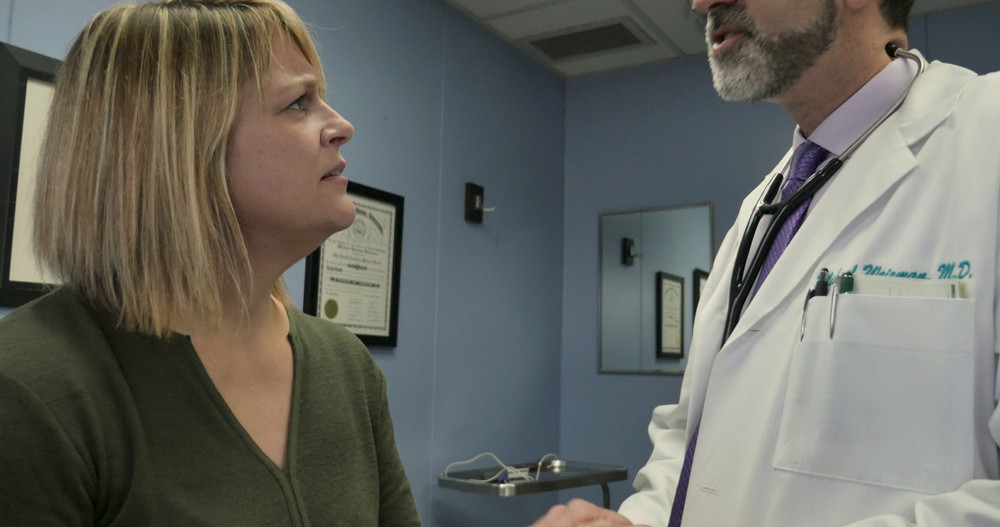

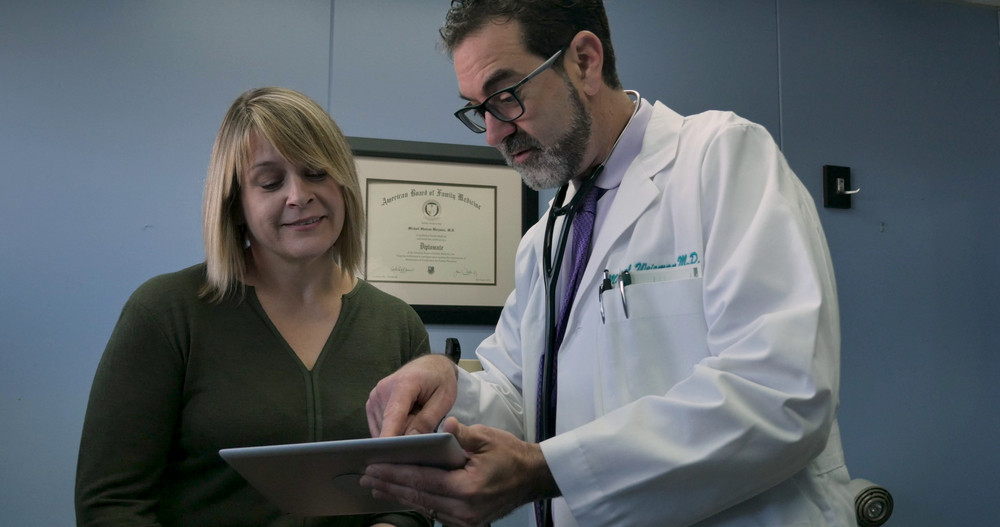
Family doctors serve as the cornerstone of the healthcare system for many individuals and families. They offer a breadth of services, covering everything from routine check-ups to more complex care management. A significant part of their role includes knowing when and where to provide referrals to ensure patients receive the most comprehensive care possible.
Specialized Medical Care
One of the primary scenarios where family doctors provide referrals is for specialized medical care. When a patient presents with symptoms or conditions that require more focused expertise, the family doctor will often refer them to a specialist. This could include referrals to cardiologists, dermatologists, or endocrinologists, depending on the specific needs of the patient. With many people valuing having a stable healthcare provider, it is no surprise that, according to the Centers for Disease Control and Prevention, as of 2023, 87.6% of U.S. adults aged 18 and older reported having a usual place for medical care.
Beyond specialty referrals, these doctors also play an important role in coordinating ongoing care after a referral is made. They often review specialist findings, help interpret test results, and incorporate recommendations into the patient’s broader care plan. This continuity helps reduce fragmented care and allows patients to better understand their treatment options. These doctors may also provide referrals for diagnostic imaging, physical therapy, mental health services, or preventive screenings based on age, risk factors, and medical history. In many cases, referrals are required by insurance plans before certain services are covered, making the family doctor a key point of access within the healthcare system. By managing referrals thoughtfully, these doctors help patients move through the healthcare process with greater clarity and consistency.
Behavioral and Mental Health Concerns
Family doctors may also provide referrals to address behavioral and mental health concerns. Mental health is a critical aspect of overall well-being, and family physicians are well-placed to notice early signs of issues such as depression, anxiety, or other mental health disorders. When necessary, they will guide patients towards psychologists, psychiatrists, or counselors who can provide more specialized support. This integrated approach helps ensure that patients receive holistic care for their mental and emotional needs.
Supportive and Rehabilitative Services
Additionally, referrals can be provided for rehabilitative services that play a vital role in a patient’s recovery or ongoing healthcare needs. This may include physical therapy, occupational therapy, or nutritional counseling. For those recovering from surgery, managing a chronic condition, or looking to make lifestyle changes, these referrals are critical in aiding recovery and promoting a healthier lifestyle. Such comprehensive care underscores the importance of the family doctor’s role in the broader healthcare system.
Family doctors are pivotal in connecting patients with the appropriate medical resources through referrals. Their ability to recognize when a specialist’s input is needed ensures that patients receive the most appropriate and effective care. This coordination within the healthcare landscape highlights the integral role these doctors play not only in treating but also in guiding patients towards optimal health outcomes. If you’re looking for family doctors who focus on your health and provide quality care, contact our dedicated team at Living Tree Medical Group today!